Skip the guesswork: the best good plyometric exercises for most people are pogo hops, squat jumps, box jumps, single‑leg bounds or skaters, power skips, and explosive push‑ups. Choose two to three that fit your goal and level, learn the landing and posture cues, and you’ll build power without needing much equipment.
Quick picks by goal: want to jump higher? Pair squat jumps with box jumps. Want sprint speed and change‑of‑direction? Start with pogo hops and bounds/skaters. Want general conditioning at home? Use pogo hops, power skips, and low box step‑offs or kneeling/regular explosive push‑ups. Program two sessions per week, do 20–40 total foot contacts on a forgiving surface, and rest 60–90 seconds between sets so each rep stays crisp.
The Best Good Plyometric Exercises: Quick Picks by Goal
Plyometrics are fast, springy drills that use the stretch‑shortening cycle of muscle and tendon to turn a quick dip into an explosive takeoff. They help most people jump higher, accelerate faster, and cut more sharply. Here is the short list that covers almost every need:
- Pogo hops (two‑foot ankle bounces)
- Squat jumps (countermovement, land soft)
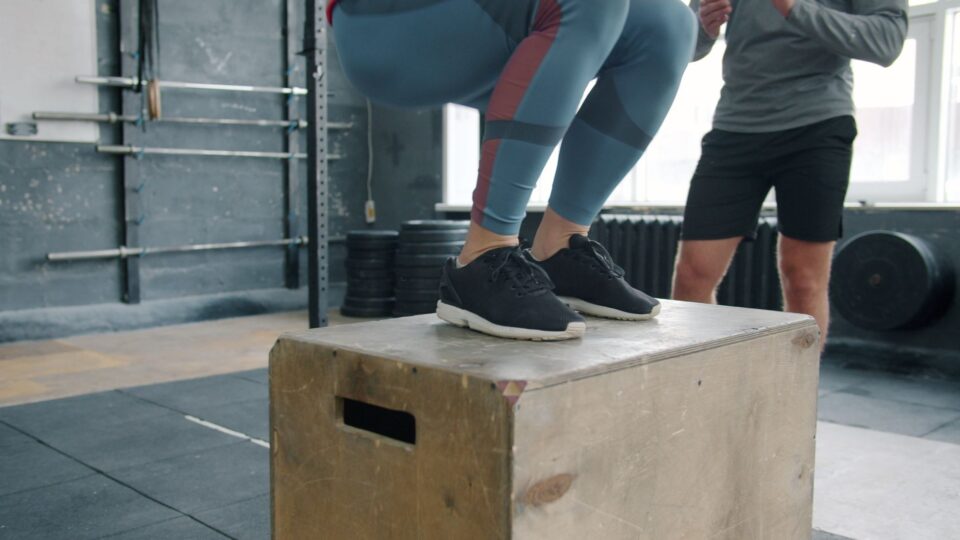
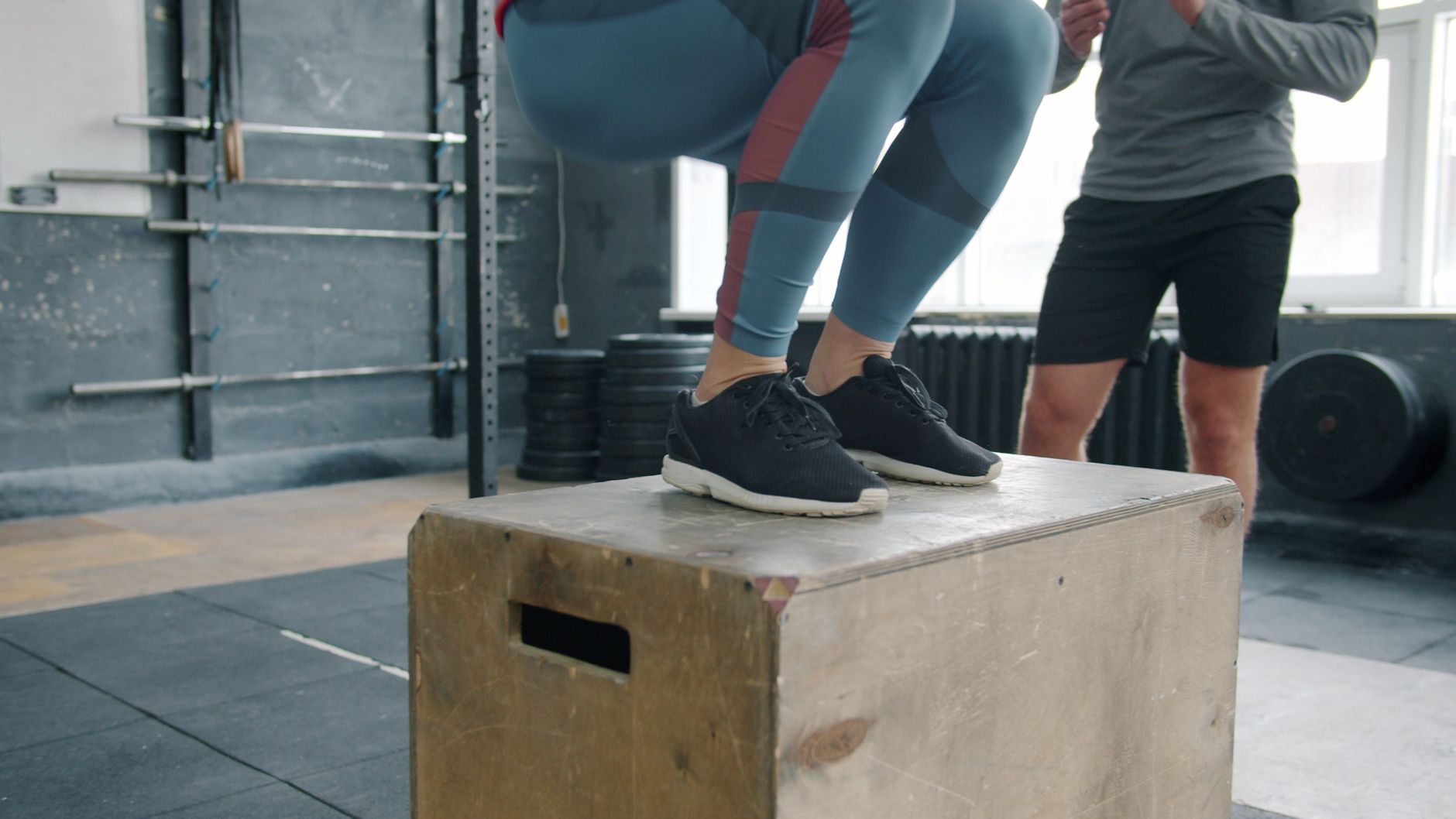
- Box jumps (controlled dip, explosive takeoff, step down)
- Single‑leg bounds or lateral skaters
- Power skips (rhythmic, tall posture)
- Explosive push‑ups (incline, regular, or clap for advanced)
- Bonus advanced: depth/drop jumps for elastic reactivity once you’re ready
Best by goal:
- Jump higher: squat jumps + box jumps. Squat jumps build drive from the hips and knees; box jumps channel that drive into a safe, high finish.
- Sprint and change of direction: pogo hops + bounds/skaters. Pogos sharpen ankle stiffness and quick contacts; bounds and skaters build unilateral power and lateral control.
- General conditioning at home: pogo hops + power skips + step‑offs to mini‑jumps or explosive push‑ups (kneeling if needed). These need little space yet hit rhythm, coordination, and power.
- Upper‑body pop: explosive push‑ups + medicine‑ball chest pass or shot‑put throw (if you have a ball and wall/space).
At‑home substitutions and cost/gear guide:
- No box? Use sturdy stairs or a park bench. Start with a height you can land on quietly in a quarter‑squat.
- No medicine ball? Use a soft household ball or a rolled towel for the motion pattern, then graduate to a real med ball when available.
- Space: many drills can be done in place or with 2–3 strides of runway. Clear the landing area and use rubber flooring, a gym mat, or grass. Avoid concrete.
Time and volume targets:
- Session time: 10–20 minutes for the main plyo block after your warm‑up.
- Volume by level: beginners 20–40 contacts, intermediates 40–80, advanced 80–120 split among drills. For unilateral drills, each leg counts separately.
- Rest: 60–90 seconds between sets; 2–3 minutes for advanced maximal efforts.
If you want a broader introduction to what makes jumping drills so effective, see our primer Unlock Explosive Power: Learn to Train with Plyometric Exercise. For context on where explosive work sits inside your weekly training, this overview helps: Train smart: the complete guide to vigorous exercise.
| Exercise name | Primary goal | Impact level | Skill level | Equipment needed | Space needed | Typical sets/contacts | Key cues | Common mistakes | Home/gym friendly |
|---|---|---|---|---|---|---|---|---|---|
| Pogo hops | Speed/rebound | Low–medium | Beginner+ | None | In place | 3–5 x 10–20 | Tall, stiff ankles, fast contacts | Heels dropping, bent at waist | Both |
| Squat jumps | Vertical power | Medium | Beginner+ | None | In place | 3–5 x 5–8 | Controlled dip, big arm swing, soft land | Crashing landings, knees collapsing | Both |
| Box jumps | Vertical power | Medium | Beginner–intermediate | Box/bench/stairs | 1–2 strides | 3–5 x 3–6 | Explode up, land quiet, step down | Box too high, jumping down | Both |
| Bounds | Acceleration | Medium–high | Intermediate | None | 5–15 m runway | 3–6 x 5–10 each leg | Forward projection, hip‑knee‑ankle line | Overstriding, twisting | Both |
| Skaters (lateral bounds) | Change of direction | Medium | Beginner–intermediate | None | 2–3 m side‑to‑side | 3–5 x 6–12 each side | Push sideways, land quiet, control knee | Valgus knee, reaching with foot | Both |
| Power skips | Rhythm & vertical pop | Low–medium | Beginner+ | None | 5–10 m | 3–5 x 10–20 total | Tall posture, arm drive, quick ground | Hunched torso, stomping | Both |
| Explosive push‑ups | Upper‑body power | Low–medium | Beginner–advanced | Floor or incline | Mat space | 3–5 x 3–8 | Rigid torso, fast hands, land soft | Sagging hips, elbow flare | Both |
| Depth/drop jumps | Advanced reactivity | High | Advanced | Low box | 1–2 strides | 3–5 x 3–5 | Immediate rebound, quiet feet | Turning into squat jumps, loud landings | Both |
| Med‑ball chest pass | Upper‑body pop | Low | Beginner+ | 2–6 kg med ball | Wall or partner | 3–5 x 5–8 | Brace core, release fast, catch safely | Loose core, chasing rebounds | Both |
How to Choose the Right Plyos for You
Readiness checklist:
- You can land from a small jump quietly in a quarter‑squat without knees caving.
- You can hold a single‑leg balance for 10 seconds per side without wobbling all over.
- You can do 10 controlled bodyweight squats with a neutral spine.
Match to goal and level:
- Elastic/fast contacts: pogo hops are your base for speed and rhythm. Add depth/drop jumps only after months of quality landings.
- Power/jump height: squat jumps and box jumps drive vertical output. Keep box heights modest so you still land softly.
- Change of direction: unilateral work like bounds and skaters builds control; progress from stick‑landings to rebounds.
Surface, shoes, and space: rubber gym flooring, track, or grass beats concrete for your joints. Wear supportive trainers with some cushioning, clear the landing zone, and keep pets or people out of the path.
Where they fit in your workout and week: place plyos after your warm‑up, before heavy lifting or sprints while you are fresh. Start with two sessions per week and allow at least 48 hours between higher‑impact days.
How to Do the Top Plyos: Steps and Cues
Pogo hops
- Stand tall with ribs stacked over hips. Arms by your sides.
- Pop off the balls of your feet with quick, small bounces. Keep ankles stiff and ground contact short.
- Let your heels kiss the ground lightly between hops, or stay on the balls of your feet if you can keep it quiet.
Common mistakes: collapsing at the waist, heavy heel strikes, and letting the hops drift into big knee bends. Fixes: think “strings pulling the crown of your head up,” and keep your shin angle vertical.
Squat jumps
- Start with feet around hip‑to‑shoulder width. Take a small controlled dip as if loading a spring.
- Drive hard through the floor, swing your arms, and reach tall in the air.
- Land quietly in a quarter‑squat, knees tracking over middle toes. Reset your posture before the next rep.
Common mistakes: crashing the landing or letting knees collapse inward. Fix: reduce depth, keep the chest proud, and think “land like a whisper.”
Box jumps
- Pick a box that lets you land softly with hips above knees. Lower beats higher.
- Dip, swing, and explode upward. Pull your knees up only as needed to clear the box.
- Land quietly with full foot on the box, absorb, stand tall, then step down.
Common mistakes: choosing a box too high and turning the jump into a knee‑tuck contest, or jumping down and pounding the floor. Fix: lower the box and step off.
Bounds and skaters
- For bounds, project your body forward from the hip, land mid‑foot, and keep the ankle stiff. For skaters, push sideways and stick the landing before rebounding.
- Keep knees aligned with toes. Let arms drive the rhythm.
- Build distance gradually. When in doubt, stick and balance for one second before the next hop.
Common mistakes: overstriding and twisting through the torso. Fix: shorten the hop, focus on a quiet, balanced landing, then lengthen again.
Power skips
- Stand tall and begin a rhythmic skip, driving the opposite arm with each skip.
- Focus on a crisp, vertical pop and a quick ground touch.
- Let the rhythm build, staying relaxed through your shoulders and jaw.
Explosive push‑ups and med‑ball throws
- For incline/regular push‑ups, brace your torso, lower under control, then push so your hands leave the surface for a split second. Land with soft elbows.
- For chest pass or shot‑put style throws, brace your midsection, drive from legs and hips, and release the ball quickly. Ensure space and a safe wall/partner.
Common mistakes: sagging hips, flared elbows, or throwing from the arms instead of the body. Fix: lock your ribs down, squeeze glutes lightly, and think “legs and trunk first, then arms.”
Programming Made Simple: Sets, Contacts, Rest, Progression
Beginner template (2 days/week):
- Pick 2 exercises: one elastic (pogo hops or power skips) + one power‑focused (squat or box jump).
- Do 3–4 sets each. Pogo/skips 10–20 contacts per set; squat/box jumps 3–6 reps per set.
- Rest 60–90 seconds between sets. Keep reps snappy; stop a set when landings get noisy or posture slips.
Intermediate to advanced adjustments:
- Introduce unilateral work (bounds/skaters), then advanced reactivity (depth/drop jumps) after months of consistent quality.
- Increase volume to 40–80+ total contacts across drills, split by emphasis. Give 2–3 minutes rest for maximal efforts.
- Cycle intensity: one session light/fast contacts, the other heavier power (higher jumps, longer bounds).
Progression ladder:
- First, reduce ground contact time and master quiet landings.
- Second, add a bit of height or distance.
- Third, add complexity (unilateral, lateral, rebound vs stick). Only change one variable at a time.
Sample 4‑week microcycle (2 days/week):
- Week 1: Day A pogo hops 3 x 15, squat jumps 3 x 5; Day B power skips 3 x 20, skaters 3 x 6/side.
- Week 2: Add one set to each drill or +2 reps per set while keeping landings quiet.
- Week 3: Slightly increase intensity: modestly higher box for 3 x 4 or longer bounds at 3 x 6/side; keep total contacts similar.
- Week 4: Deload 30–40% fewer contacts, focusing on crisp technique and faster contacts.
Place plyos after your warm‑up and any short movement prep. If you also lift, hit plyos first, then your main strength lifts. For conditioning ideas that pair well on other days, you might like our piece on intervals: Maximize Fitness Gains & Shave Time with HIIT.
Good Plyometric Exercises at Home and for Beginners
No‑equipment circuit (2–3 rounds, rest as needed):
- Pogo hops x 15–20
- Power skips x 20 total
- Squat jump to stick landing x 4–6
- Kneeling explosive push‑ups x 5–8
Small‑space options: in‑place pogos; skaters with short bounds and stick landings; step‑off from a 6–12 inch step into a mini jump; incline explosive push‑ups on a countertop.
Beginner regressions: build ankle rhythm with fast calf raises, then small pogos. Use countermovement to a soft stick landing before you try rebound jumps. For push‑ups, start with a tall incline and brisk press‑offs.
Teens and newcomers: yes, a 14‑year‑old can do plyos if the session is short, form‑focused, and supervised when possible. Keep the volume low (15–30 contacts), emphasize quiet landings and balance, and schedule ample rest days.
Do I need a box at home? No. Boxes are convenient but not required. You can develop plenty of power with squat jumps, step‑offs to mini‑jumps, skaters, and bounds. If you later add a box, pick a low, stable surface and step down.
Upper‑Body Plyometrics and Sport Tie‑Ins
Explosive push‑up variations:
- Incline explosive push‑ups: easiest entry; focus on speed and a soft landing.
- Regular explosive push‑ups: keep sets short so power stays high.
- Clap push‑ups: advanced only; low reps, perfect control.
Medicine‑ball throws:
- Chest pass: stand tall, brace, and fire straight ahead.
- Shot‑put/rotational: pivot through the hips and release fast. Use a solid wall/partner and enough space for rebounds.
- Slams: hinge, brace, and drive the ball down; choose non‑bouncing balls for safety.
Pairing ideas: total‑body sessions work well by alternating a lower‑body plyo with an upper‑body drill. For example, pogo hops 3 x 20 with explosive push‑ups 3 x 5; or box jumps 3 x 4 paired with med‑ball chest pass 3 x 6.
Sport tie‑ins: runners benefit from pogos (ankle stiffness) and bounds (projection). Field and court athletes should keep skaters and lateral bounds in rotation for cutting and deceleration skill. General fitness folks can anchor their week with a simple combo: pogos + squat jumps on one day, skips + push‑ups on the other.
Common Mistakes and How to Fix Them
- Landing loud or deep: cue “quiet feet, quarter‑squat absorb.” Lower jump height or distance and switch from rebound to stick landings until quality returns.
- Too much volume or hard surfaces: track contacts, pick rubber flooring or grass, and end the session when landings get noisy. Concrete is rarely a good choice.
- Turning depth jumps into squat jumps: the goal is an immediate rebound. If you cannot pop quickly, use stick landings or remove the box.
- Poor alignment (knees caving): reduce intensity, practice single‑leg balance and controlled step‑downs, then re‑introduce bounds/skaters.
- Skipping rest: power needs recovery. Keep rests honest so each rep stays sharp.
Session Planner Checklist
- Warm‑up completed: 5–8 minutes of light cardio, mobility, and easy hops
- Soft surface chosen: rubber floor, track, turf, or grass
- Clear landing zone: no clutter, people, or pets in the path
- Exercise order: fast elastic drills before big jumps or throws
- Total foot contacts planned: level‑appropriate number on a notepad
- Rest intervals set: 60–90 seconds between sets, longer for max efforts
- Shoes: supportive trainers tied snugly
- Progression or regression option ready for each exercise
- Stop rule: end the set when landings get noisy or posture breaks
Quick answers to common questions
- What are plyometric jumps good for? They can build power, speed, and agility by training the stretch‑shortening cycle.
- Can a 14‑year‑old do plyometrics? Yes, with short, form‑focused sessions, low contacts, and guidance when possible.
- How long should a plyometric workout last? The main plyo block is often 10–20 minutes, not counting warm‑up and cool‑down.
- What are the three best plyometric exercises? For most people: pogo hops, squat jumps, and box jumps.
- Do I need a box for plyometrics at home? No. It helps for variety but is optional.
- Which plyometric exercises are best for speed? Pogo hops and bounds/skaters are top picks for quick contacts and acceleration.
When explosive work is part of a broader routine, recovery and intensity management matter. If you’re building a fuller plan around these drills, you may also like our overview of vigorous training benefits and recovery basics: Vigorous exercise benefits: training, recovery, safety guide.